Alison Watts

Physical Restraints

Throughout much of the twentieth century, the use of straitjackets in mental institutions reflected the broader attitudes toward mental illness, control, and institutional care. Originally introduced as a means of preventing patients from harming themselves or others, straitjackets were considered […]

Physical Restraints Read More »
The Turquoise Ward

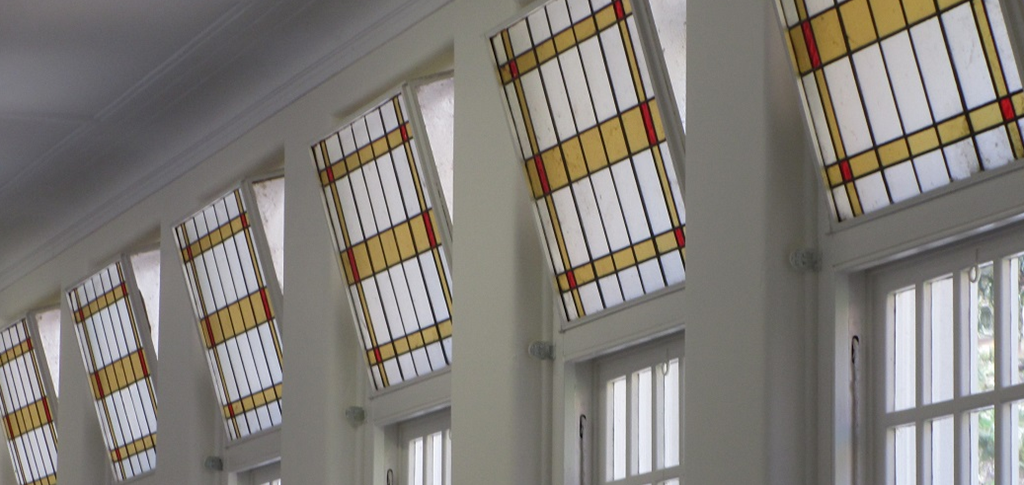
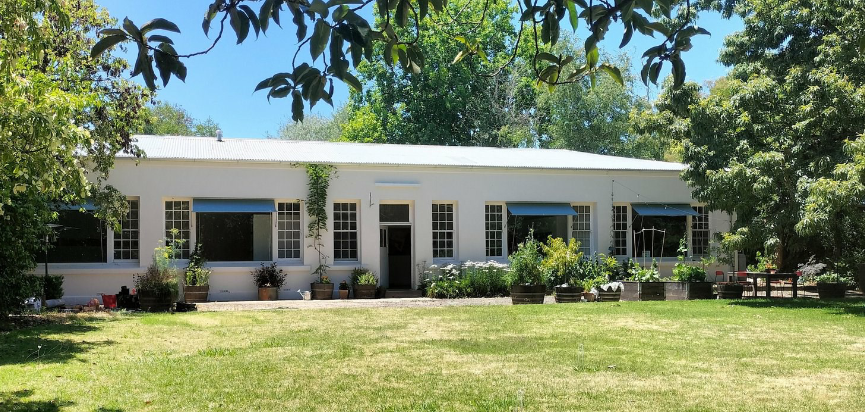
The Turquoise Ward, also known as F9, was designed and built in 1936 as a dedicated female ward for patients with congenital mental disabilities. The building was designed by Percy Everett, the Chief Architect of the Public Works Department. Everett

The Turquoise Ward Read More »

Bijou Theatre

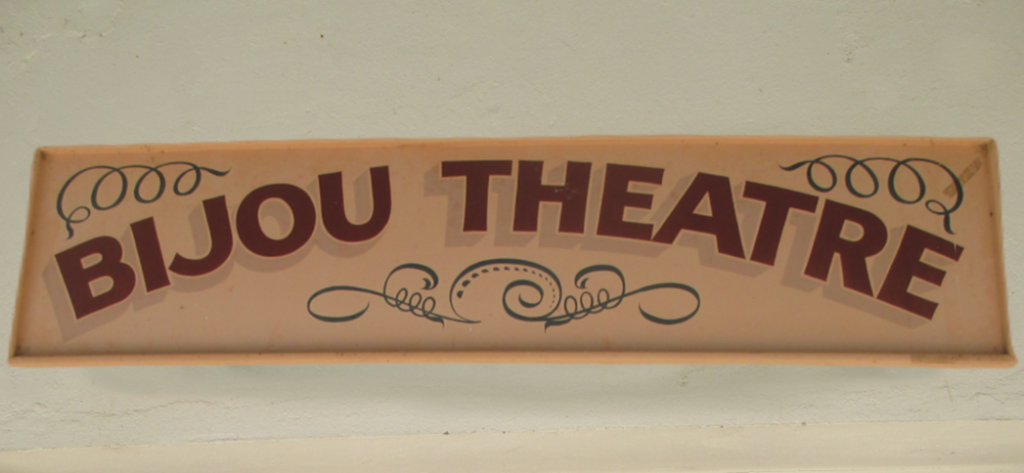
From the outset, the asylum plans included a recreation hall where entertainments such as concerts could be held for patients. It was constructed as a separate wing immediately behind the central administration block and together with the kitchen and stores

Bijou Theatre Read More »

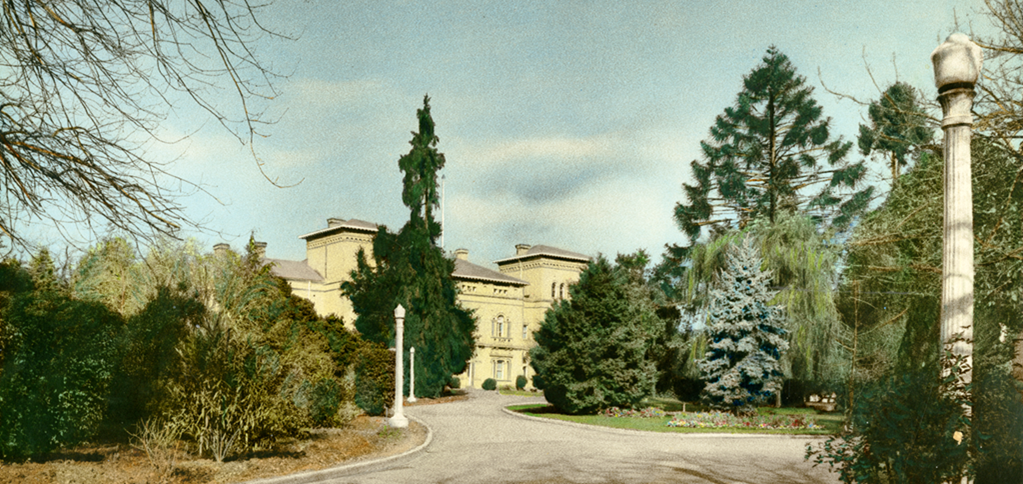
The Gardens at Mayday Hills

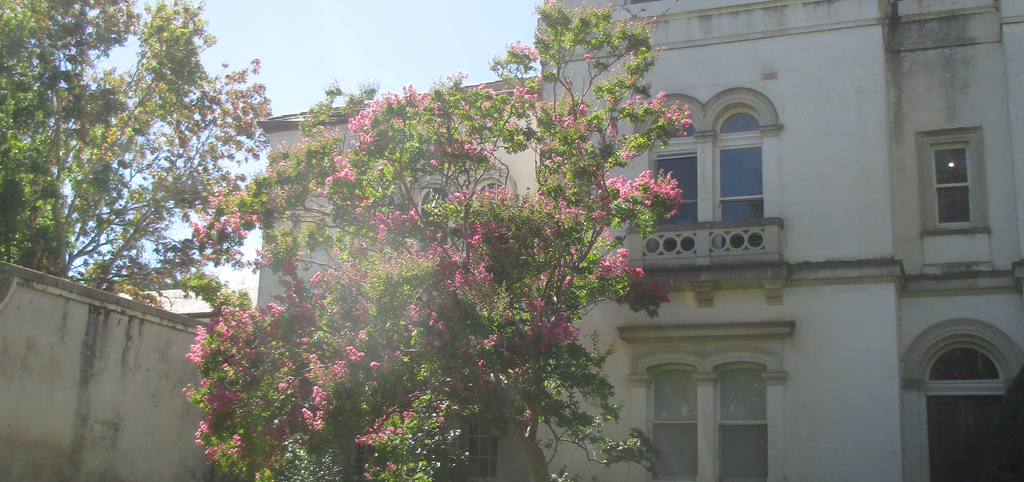
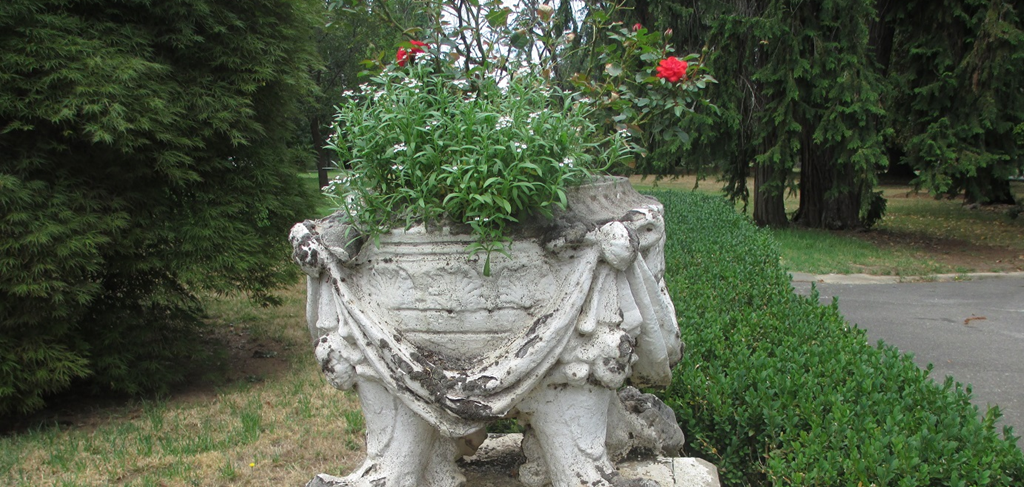
Visitors to Mayday Hills always comment on the magnificent grounds surrounding the buildings. With a mix of exotic deciduous trees, striking natives and an array of flowering shrubs like rhododendrons, the gardens provide colour and shade in every season. Development

The Gardens at Mayday Hills Read More »

Edith Harrington

Edith Agnes HARRINGTON was a patient in Mayday Hills from about 1950 until her death in December 1980. She is remembered by staff because of the exquisite and unusual embroidery she loved to do, examples of which are on display

Edith Harrington Read More »

The Gatehouse

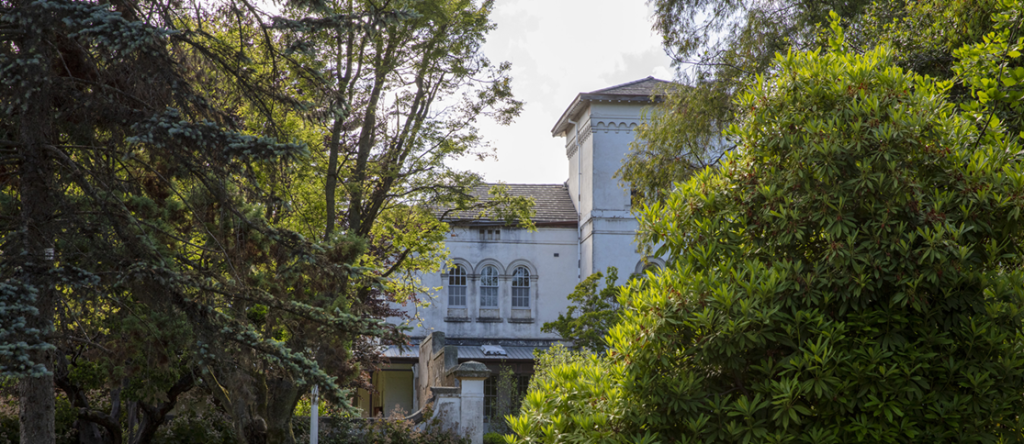
Situated at the top of Albert Road, the heritage listed Gatehouse is the first building visitors see as they enter the Mayday Hills complex. Completed in 1870, the Gatehouse is of two storeys, built in the Italianate style echoing the

The Gatehouse Read More »

css.php